

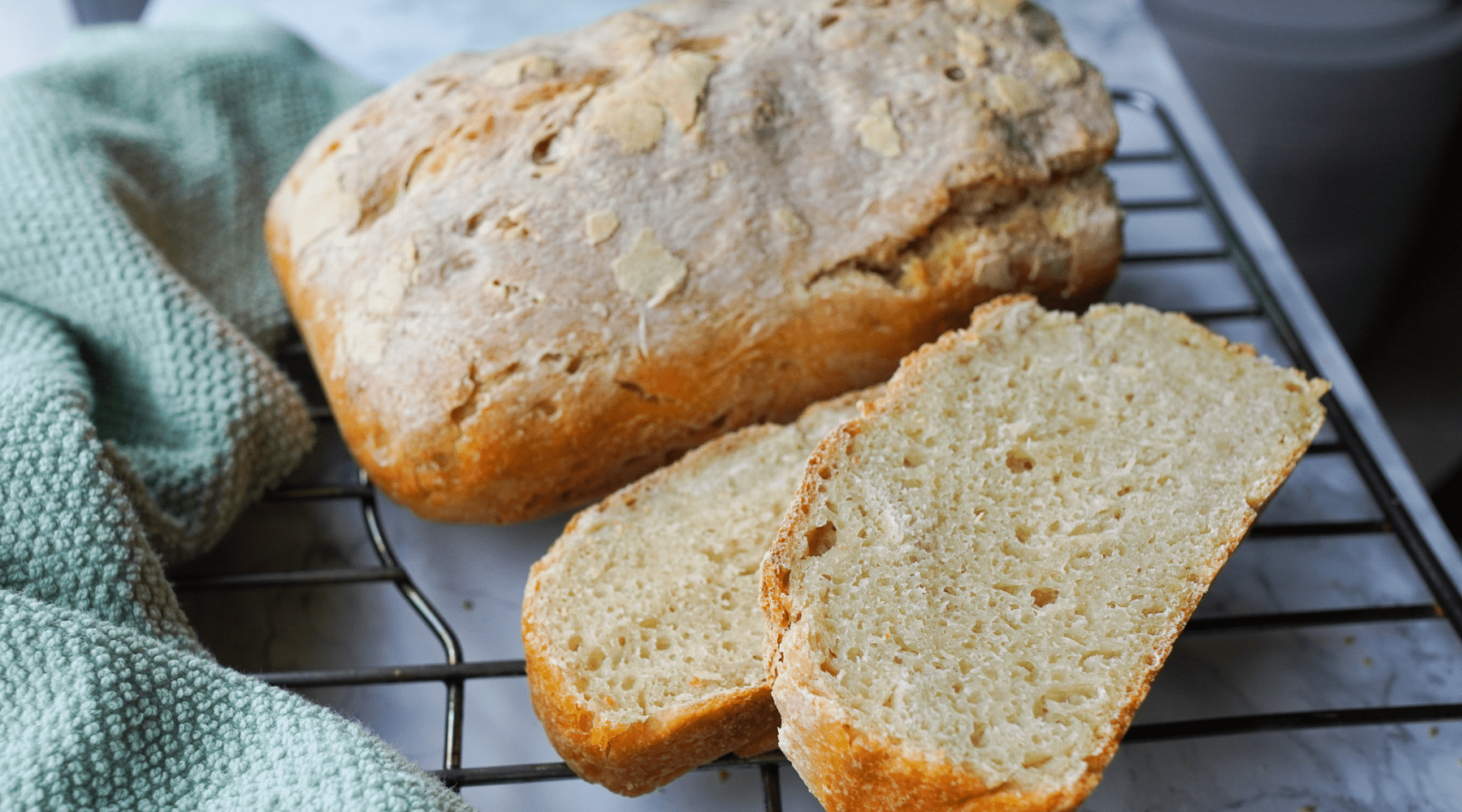
Let’s clear something up right away: sourdough isn’t scary.
If the word "sour" makes you think of spoiled milk, you’re not alone—but sourdough is nothing like that. Its signature tang is more like the pleasant flavor you find in a good loaf of artisan bread—not off-putting, just complex and delicious.
And no, sour doesn’t mean spoiled. The taste comes from natural acids produced by friendly bacteria living in the sourdough starter. Yes, bacteria—but don’t panic! These are the good guys, working with wild yeast to give sourdough its rise, flavor, and character.
Still feeling unsure? That’s exactly why we put together this step-by-step video and guide—to walk you through the process, answer your questions, and show you just how doable it really is.
If you’ve ever wanted to try making sourdough at home, this is your invitation to start.
SCROLL DOWN TO LEARN MORE ABOUT SOURDOUGH BREAD AND A STEP-BY-STEP VIDEO TUTORIAL TO MAKE YOUR OWN!
What you need to know about sourdough bread
Sourdough bread is made using a sourdough starter - a culture of yeasts and beneficial bacteria that naturally occur and are left to ferment and rise. Before commercial yeasts were available, sourdough was used for baking bread.
The fermenting and rising process happens over approximately five days.
The bacteria in the sourdough starter consume the flour’s sugars which release lactic and acetic acids. These acids are what give the sourdough bread a sour, vinegar-like taste.
The longer you let the sourdough bread rise, the richer and tangier taste you will get.
There are a few factors that can make sourdough bread a healthier option:
- It contains lower phytate levels than regular bread, making absorbing nutrients and minerals easier.
- The fermentation process improves the bioavailability of fiber, minerals, and beneficial plant compounds.
- Sourdough bread contains lower amounts of gluten, antinutrients, and more prebiotics - all of which are gut-friendly and improve digestion.
- The slow fermentation process breaks down protein (including gluten), making sourdough easier to digest.
- It contains no nasties such as preservatives, additives, and enzymes used in store-bought bread.
READ MORE: Homemade bread vs. store-bought bread - The major difference!
An average slice of sourdough bread (about 50 grams) contains:
- Calories: 185
- Protein: 2 grams
- Fat: 1 gram
- Carbohydrates: 36 grams
- Fiber: 1 gram
- Sugar: Less than 1 gram
Sourdough bread is an excellent source of antioxidants, magnesium, calcium, folate, and niacin.
NB - Sourdough bread is not gluten-free but lower in gluten. If you have a gluten intolerance, sourdough may be easier to digest.
Your sourdough starter may be contaminated if it:
- Never starts to bubble
- Develops pink, orange, green, or black patches
- Smells very bad - like human gas.
Throw your sourdough starter away if it shows any of these signs.


