If we had to run a poll on choosing between homemade bread and store-bought bread, what would you vote for? We are almost 100% sure homemade would win by a long shot!
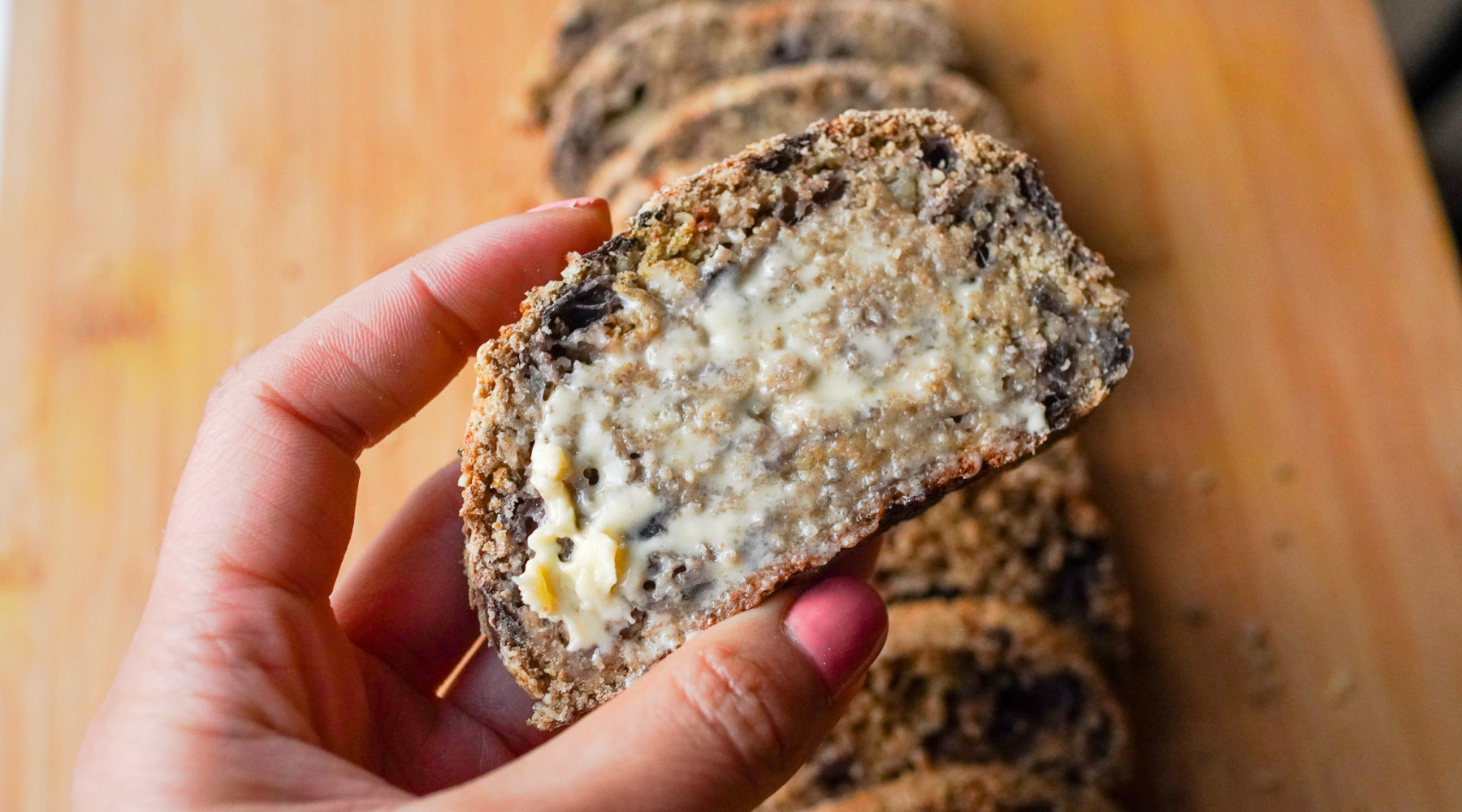
Not much beats the taste, satisfaction, and pure bliss of biting into a warm slice of fresh-out-of-the-oven homemade bread. Even more so when topped with oozing butter or a thick slick of your favorite marmalade!
There's something nostalgic and gratifying about a fresh loaf, especially homemade. It becomes a culinary experience that is worth the effort!
Yet, many of us miss out on this fantastic experience every day. And for most of us, bread is bread. Whether it comes from a store, a bakery, or is homemade - we don't know the difference, often don't really care, or just don't have the time and energy to make our own.
Unfortunately, as technology evolves and due to the massive demand, manufacturers are adulterating our bread. I might be great for their pockets, but not so much for our health...
Scroll down to learn more about store-bought vs. homemade bread and why you should consider making the switch!
WHY IS HOMEMADE BREAD BETTER THAN STORE-BOUGHT?
Maybe you are on team store-bought, but homemade bread gets our vote all the way! Fresh, hearty, warm, and soft triumphs!
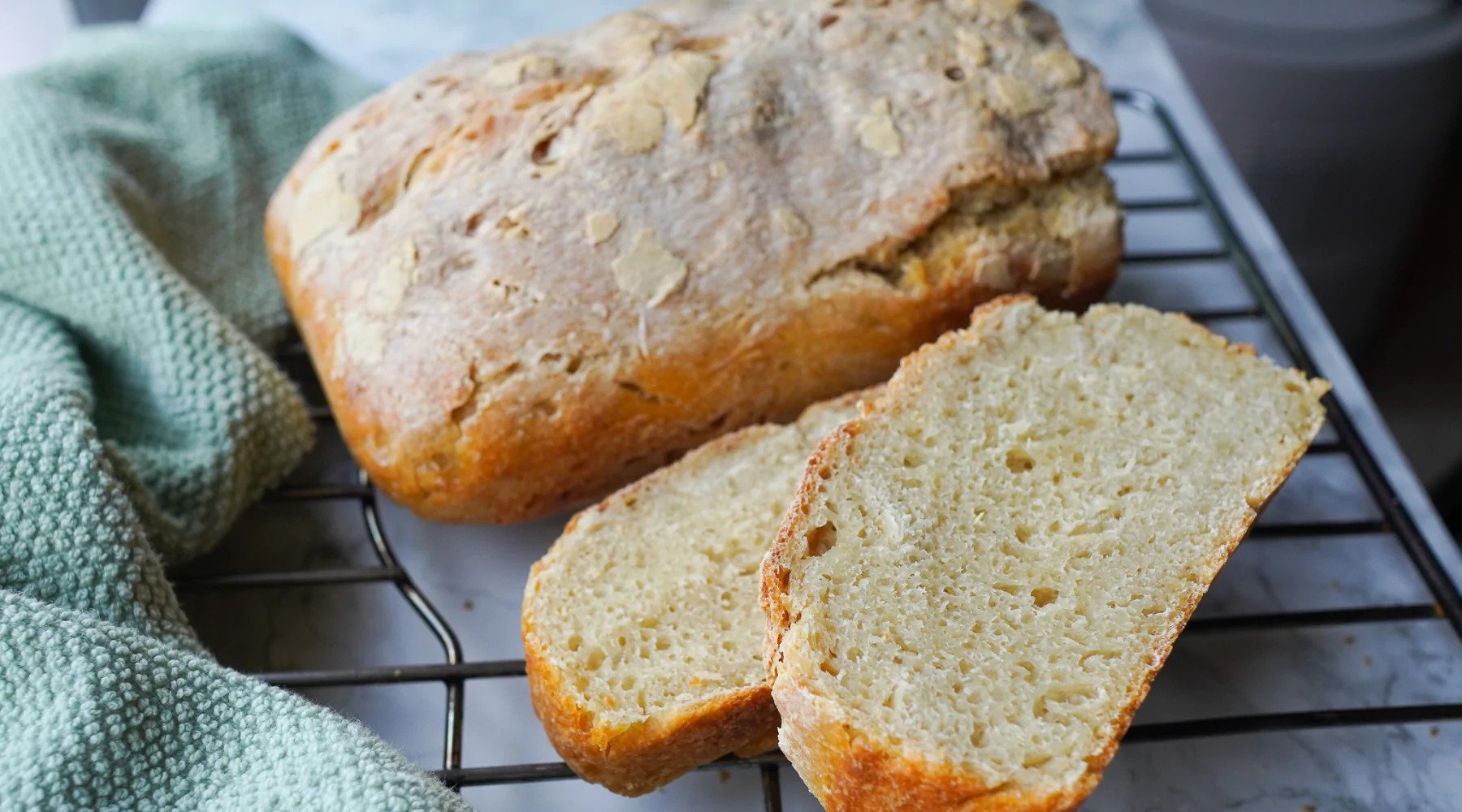
Freshly baked bread, made with pure ingredients, straight out of the oven is one of life's greatest pleasures!
Sure, you can go to your local bakery and get fresh bread daily. But the satisfaction of baking it yourself won't be there, and you'll be paying someone else for something so easy to do yourself.
Feeling like garlic and onion bread or something with cheese and herbs? Or maybe something sweet like cinnamon and raisins? No problem!
You are in total control of the flavor and the ingredients.
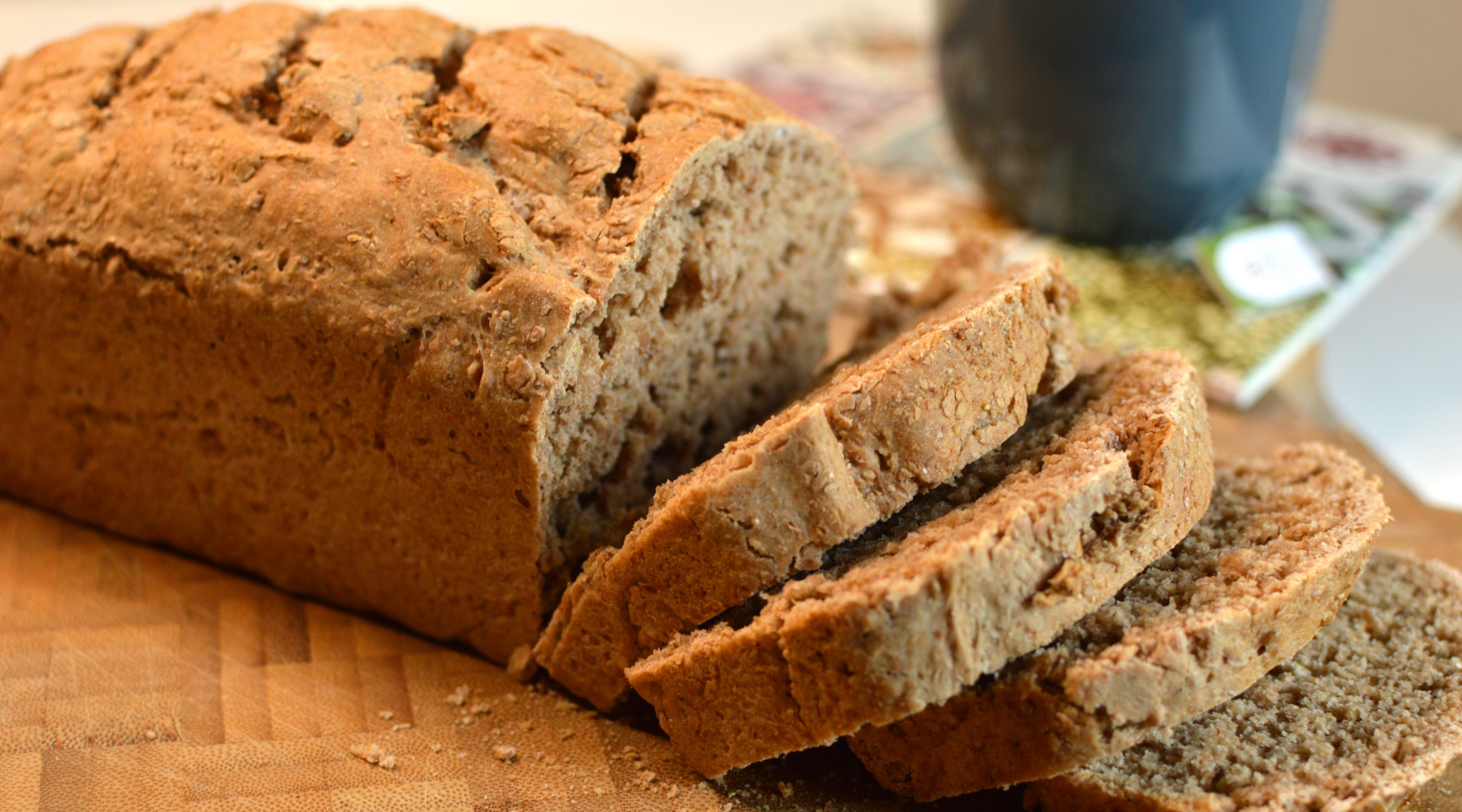
Choose your favorite flour - whole wheat, oat, rye, or barley flour, instead of standard white flour.
Choose a recipe catering to allergies or diet preferences - avoiding ingredients such as eggs, dairy, or gluten.
Control the amount of sugar used and include toppings such as nuts, seeds, and other natural flavorants to your liking.
Homemade bread contains no chemicals, artificial additives, preservatives, or enzymes. These are often used in store-bought bread to make them stay fresher for longer and enhance the taste.
You don't have to worry about added sugars in the form of processed fructose corn syrup or dextrose, which are just empty calories.
Store-bought bread is also often higher in sodium and contains more trans fats due to margarine and vegetable shortening. Whereas, in your homemade bread, you can use healthy unsaturated fats such as extra virgin olive oil or grapeseed oil.
People love making homemade bread because of the enjoyment and satisfaction it brings! Making something yourself or experimenting with a new recipe is exhilarating!
There is something special about kneading the bread with your own hands and watching in anticipation as the dough rises into a perfectly baked loaf.
Mixing ingredients and kneading the dough can also be a great way to release stress, and many find the baking process soothing.
The joy of gifting a baked break to a host or a friend is also quite pleasing and humbling at the same time! Everyone appreciates fresh bread!
Making homemade bread will drastically reduce the packaging and plastic of store-bought bread. Every small action helps!
You may still use plastic to store your homemade bread, but you can use a large reusable Ziploc bag or a glass container to store your bread in!
Speaking of waste….how many of us are guilty of purchasing too much bread or forgetting to refrigerate it, only to have to throw it away when it has gone bad?! With homemade bread, it will probably be gulped up within a few hours! And best of all, you know exactly how old your bread is.
Sure, many bakeries make healthy, organic fresh bread daily. But those come at a higher cost than making it yourself.
You could also argue that electricity and your precious time justify buying store-bought bread, but at what cost to your health or giving up a memorable experience?
So, in the end, the "cost" of store-bought or homemade bread will depend on many things and what you value. It's kind of like comparing apples with oranges, a bit difficult...
However, you can lower the cost of homemade bread by making more than one bread at a time. This will reduce the cost of electricity, gas to buy ingredients, and your time significantly. Any leftovers or excess bread that won't be eaten within the next two days can be frozen or gifted!